 17491749 – 1773: the origins and metamorphosis
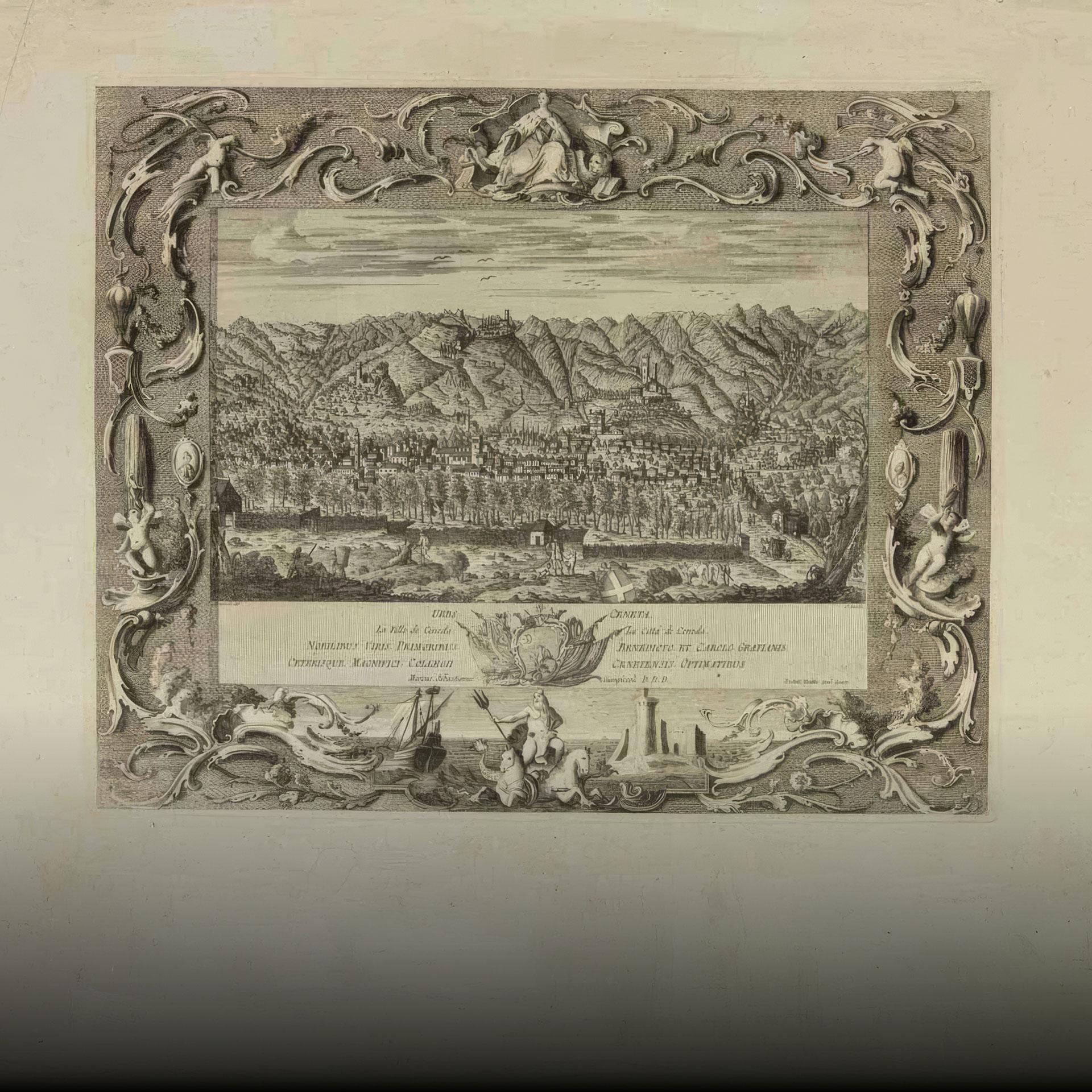
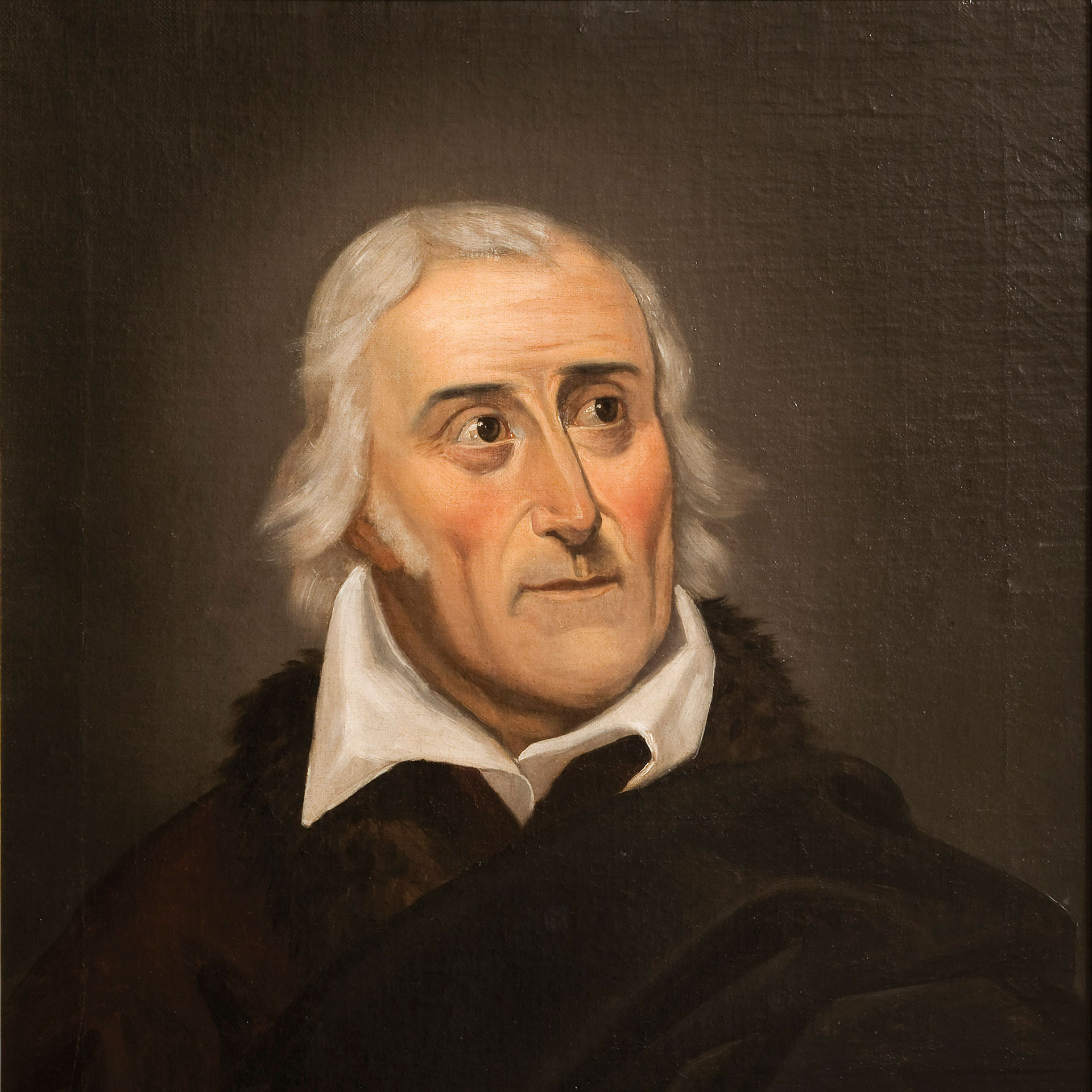
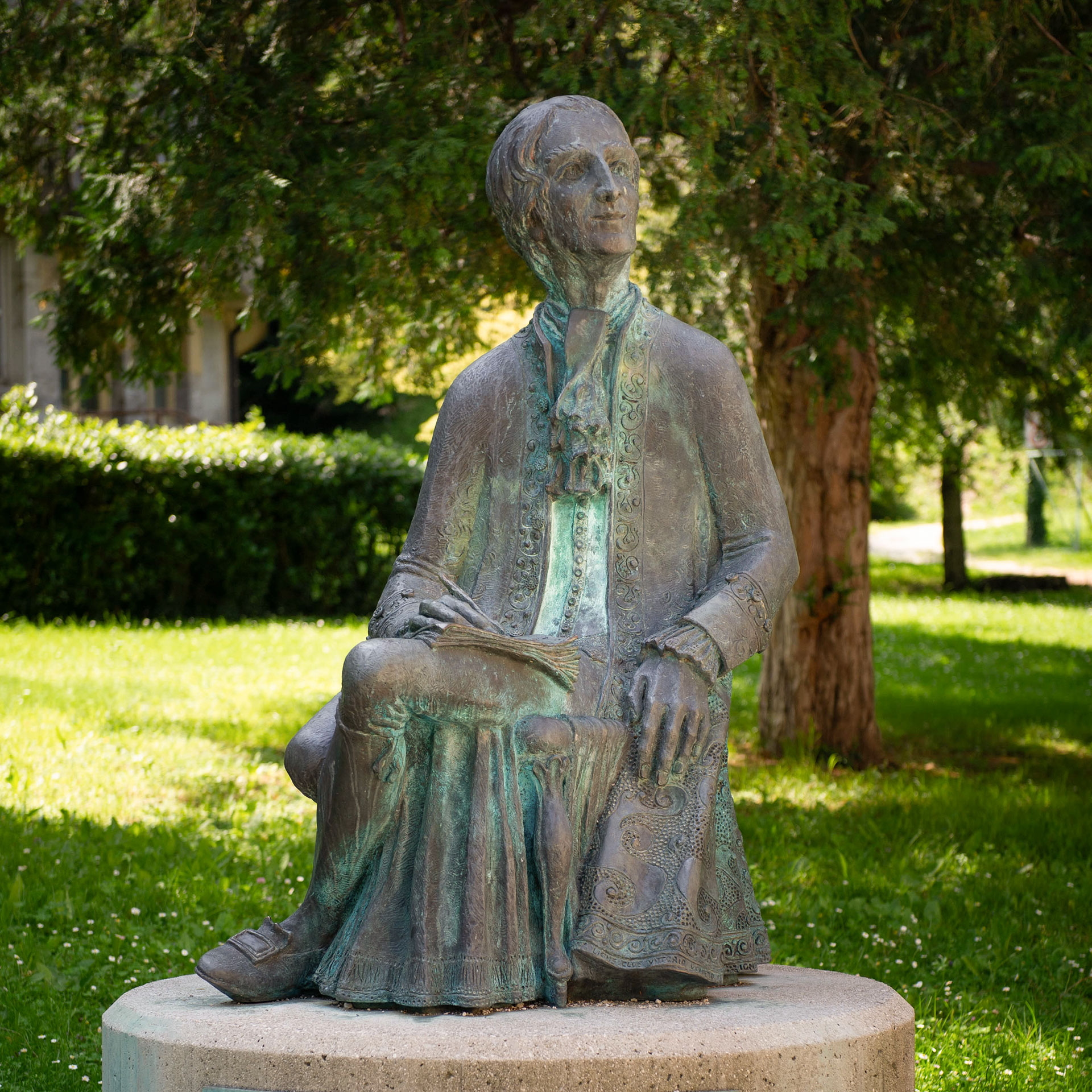
Born in the Jewish ghetto of Ceneda (Vittorio Veneto) as Emanuele Conegliano, his life changed drastically in 1763 when, along with his family, he converted to Catholicism, taking the name of his patron bishop: Lorenzo Da Ponte. Despite a rebellious nature and a total lack of vocation, he pursued an ecclesiastical career out of financial necessity, being ordained as a priest in 1773.
- 1773 – 1779: the Venetian years and scandal1773
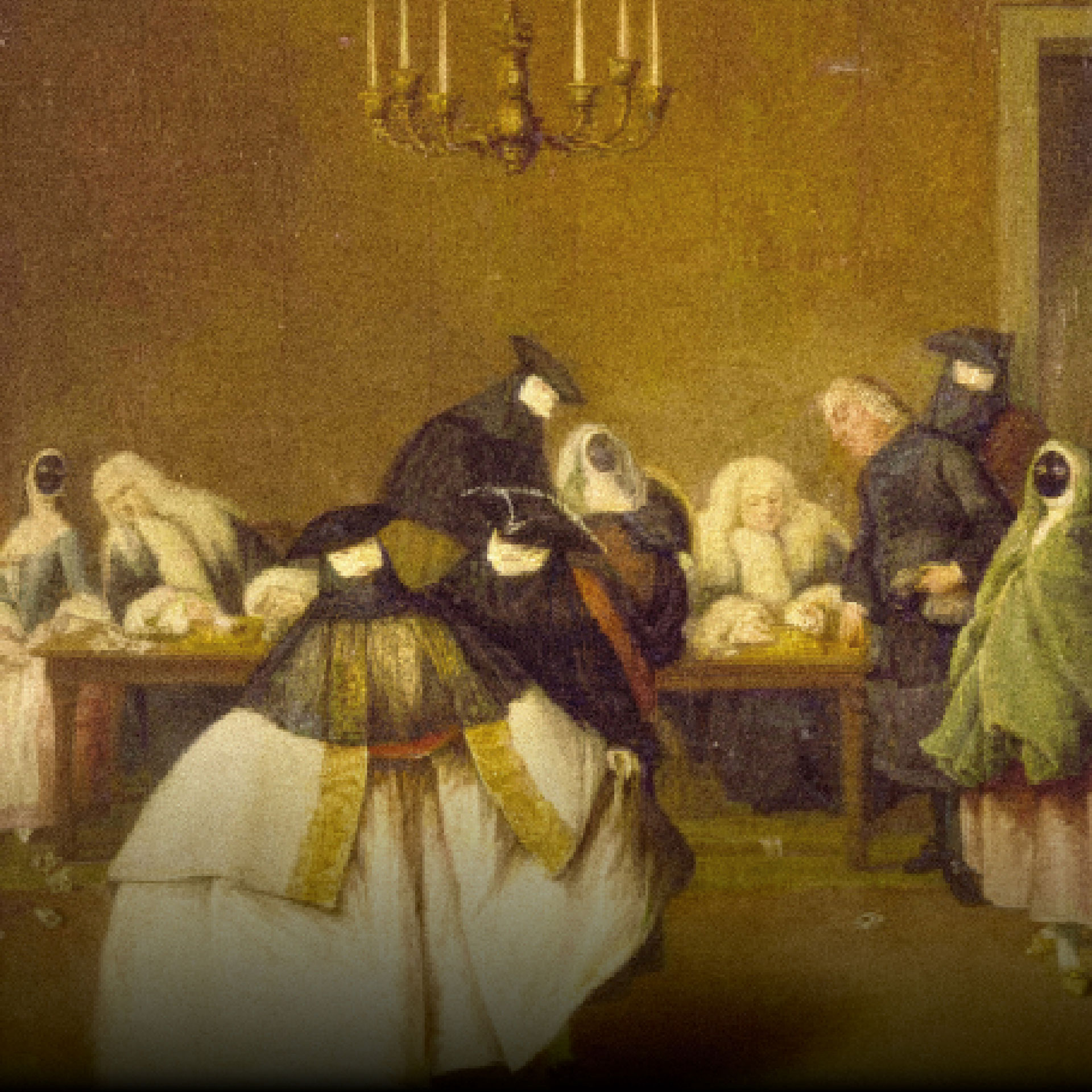
Moving to Venice, Da Ponte immersed himself in the libertine life of the lagoon, amidst gambling and forbidden loves, becoming a close friend of Giacomo Casanova. His teaching career in Treviso came to an abrupt halt due to his Enlightenment and "subversive" ideas inspired by Rousseau. In 1779, overwhelmed by accusations of immorality and political intrigue, he was banished from the Venetian Republic and fled towards the Habsburg Empire.
- 17811781 – 1791: the golden decade in Vienna
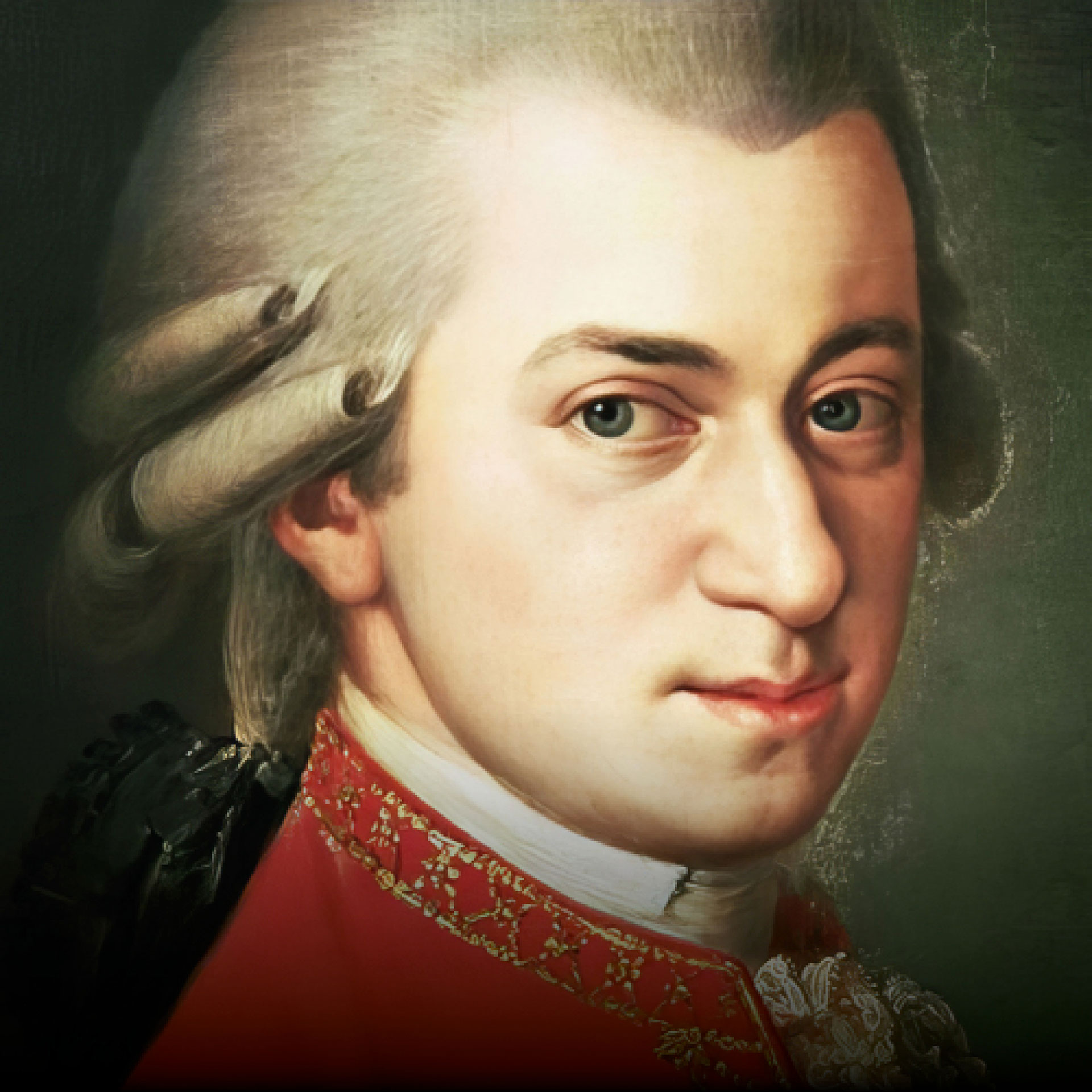
It was in the Vienna of Joseph II that Da Ponte's genius flourished. Appointed "Poet to the Imperial Theatres", he met Wolfgang Amadeus Mozart. From this partnership arose the trilogy that changed the history of music: The Marriage of Figaro (1786), Don Giovanni (1787), and Così fan tutte (1790). With the death of the Emperor and the rise of new rivals (including Salieri), Da Ponte lost the court's favour and, in 1791, was forced to leave the capital.
- 1792 – 1805: the London interlude1792
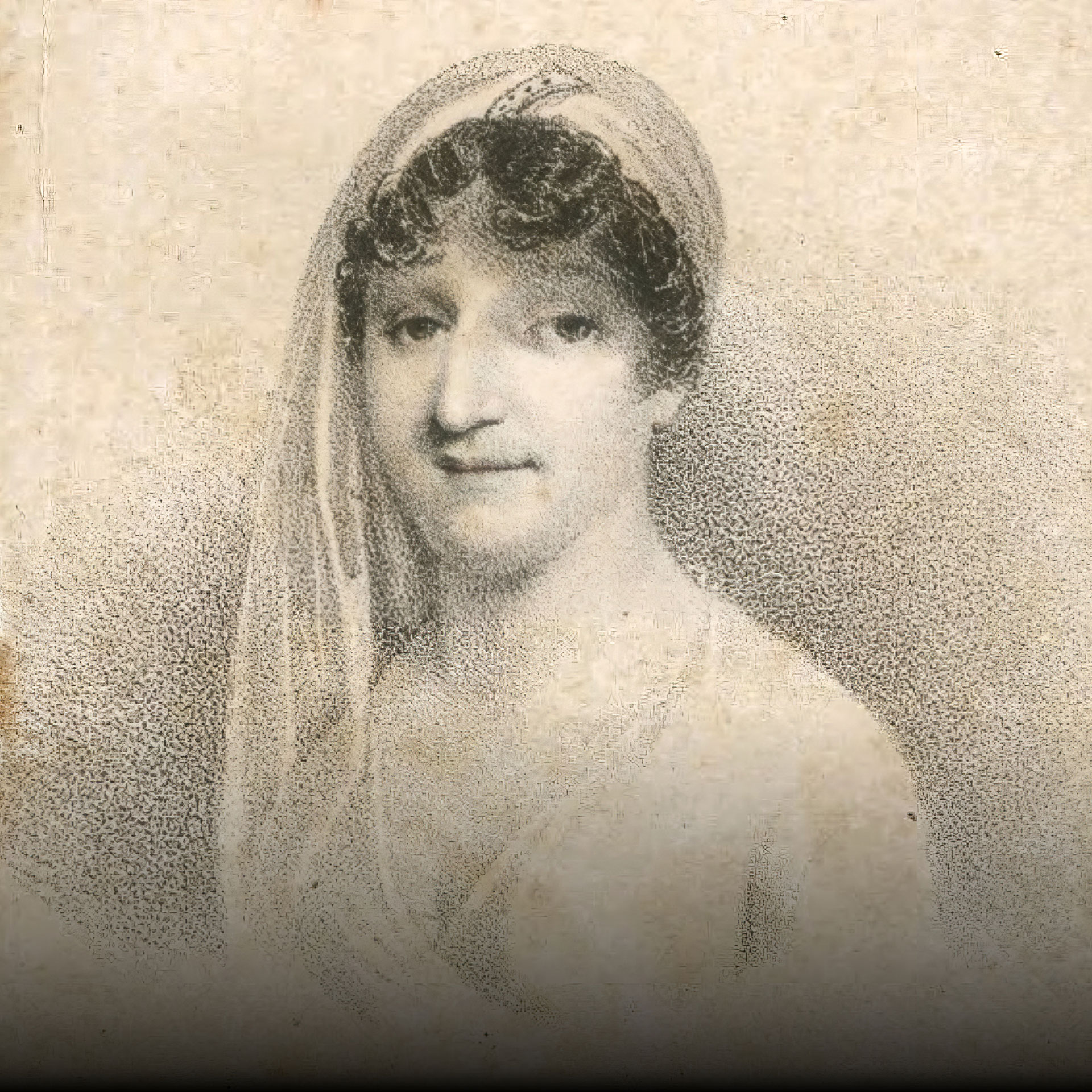
In Trieste, he met Nancy Grahl, his lifelong companion. Together they arrived in London, where Lorenzo worked as a librettist at the King’s Theatre and opened an Italian bookshop. However, his chronic inability to manage finances and a series of imprudent bank guarantees dragged him into a quagmire of debt. To avoid prison, in 1805 he decided to take his most audacious step: boarding a ship for America.
- 18051805 – 1838: the pioneer of the New World
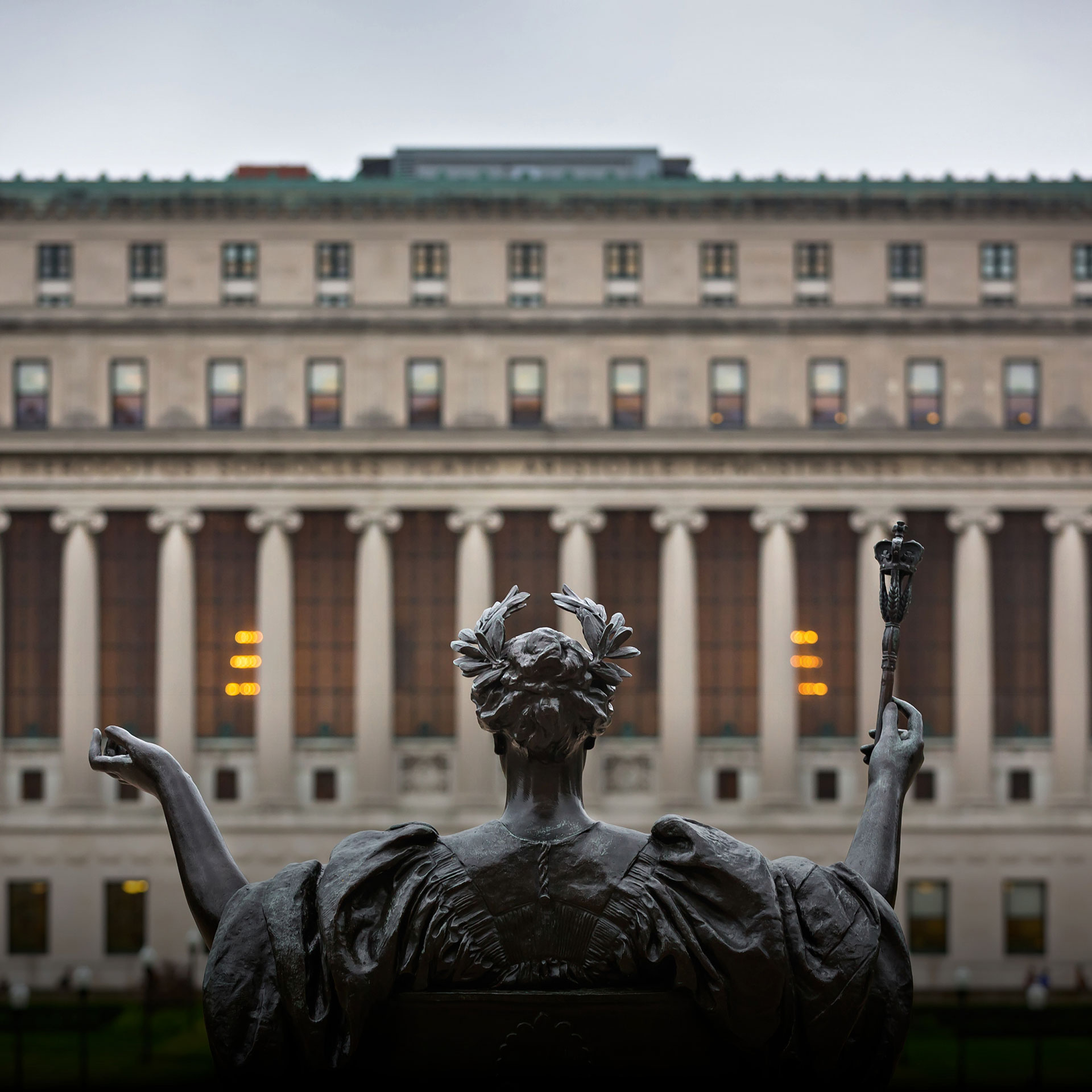
In the United States, Da Ponte reinvented himself yet again: working as a grocer, distiller, and merchant, before returning to his true vocation. He became the first Professor of Italian at Columbia University, spreading Dante's language and European culture in New York. His last great dream was to bring Italian opera to America: in 1826 he promoted the premiere of Don Giovanni in New York, and in 1833 he contributed to the construction of the Italian Opera House.
- The immortal legacy1838
Lorenzo Da Ponte died in New York in 1838 at the age of 89. Although his grave has been lost, his voice resonates eternally every time the curtain rises on one of his masterpieces. Today, the Da Ponte Opera Festival celebrates this "ghetto boy" who, by fleeing from everything, ended up conquering immortality.